
2026 Household Chemical Collection Events

Saturday, May 2 – ALLEGHENY COUNTY   
North Park Swimming Pool, McCandless

Saturday, June 6 – CAMBRIA COUNTY     REGISTER NOW     
Central Cambria High School, Ebensburg

Saturday, June 13 – FAYETTE COUNTY     REGISTER NOW    
Fayette County Recycling Convenience Center, Uniontown

Saturday, June 27 – WASHINGTON COUNTY     REGISTER NOW    
EQT Park, Washington

Saturday, August 15 – ALLEGHENY COUNTY     
Boyce Park Ski Lodge     registration opens in summer

Saturday, September 19 – ALLEGHENY COUNTY
South Park Wave Pool    registration opens in summer

Saturday, October 3 – BEAVER COUNTY
Bradys Run Park Recycling Center    registration opens in summer


Please Note: All Household Chemical Collection events are held on Saturdays May through October, from 9 am – 1 pm, rain or shine.

We realize that our program schedule will not meet everyone’s needs. We strive to make our events accessible to the greatest number of people in the region we serve. If you are unable to attend, consider approaching a friend, neighbor or relative for assistance.

Household Hazardous Waste Inquires

If you have questions, regarding Household Chemical Collections, please call 412-488-7490

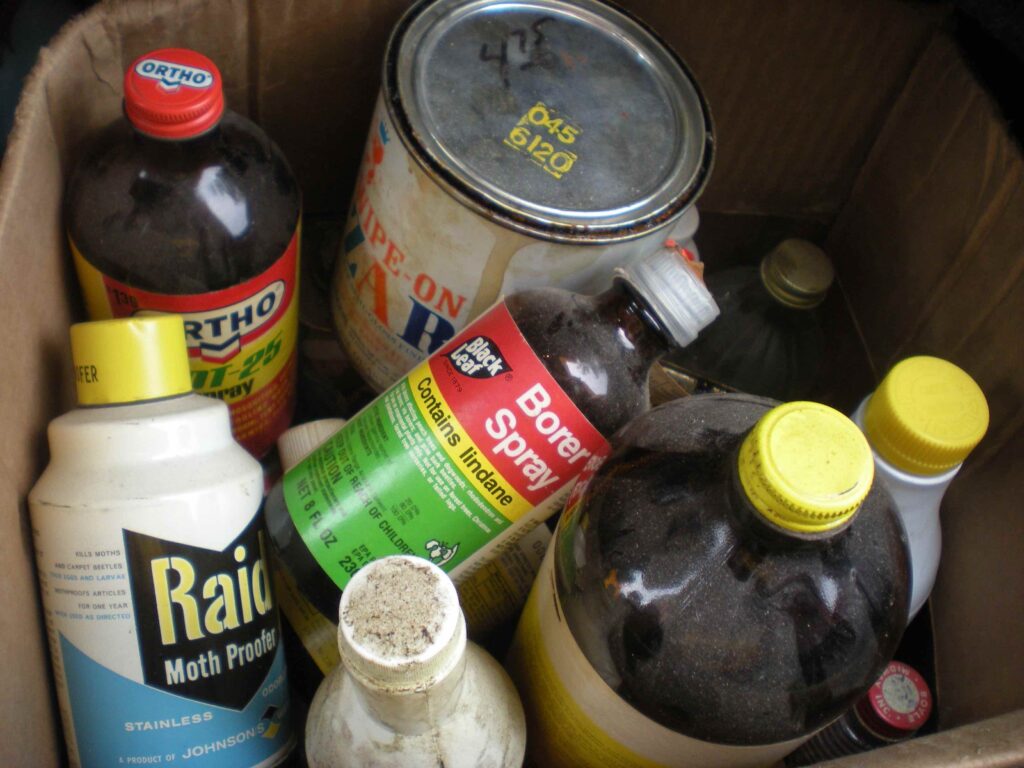
What Can You Bring?

  • Aerosol cans
  • Automotive fluids (e.g., motor oil, transmission fluid, antifreeze, kerosene, brake fluid)
  • Batteries
  • Camp fuel/small propane bottles
  • Chemistry sets
  • Compact fluorescent light bulbs (CFLs: bulbs only- we do not accept fluorescent tubes)
  • Electronic cigarettes
  • Gasoline and kerosene
  • Household cleaners (ammonia, drain openers, acid cleaners, oven cleaners)
  • Mercury thermometers
  • Paint products (latex, oil based, alkyd based, arts/crafts chemicals, rust preservatives, creosote, water sealers, paint thinners, furniture strippers)
  • Pesticides/garden (rodent killers, insecticides, weed killers, mothballs, fertilizer)
  • Photo chemicals
  • Pool chemicals
  • Smoke Detectors

  • Ammunition
  • Appliances
  • Commercial and industrial waste
  • Compressed gas cylinders (large grill/medical)
  • Explosives
  • Flares
  • Fluorescent tubes
  • Leaking containers
  • Medical waste (including needles and sharps)
  • Prescription or non-prescription drugs
  • PCBs and dioxins
  • Radioactive materials
  • Tires
  • Anything in leaky containers

Tip: To avoid spills and damage to your vehicle, never put leaky containers into your car. If possible, transfer materials to a new container. Preserve the label and place in a zippered plastic bag to keep with replacement container. If you can’t transfer the material, you can isolate the leaky item by placing it in a zippered plastic bag, plastic bucket, cardboard box, etc.

Frequently Asked Questions

We take various types of chemicals and hazardous waste. Please refer to the What to bring section on this page.

We accept all forms of payment: cash, checks, credit and debit cards.

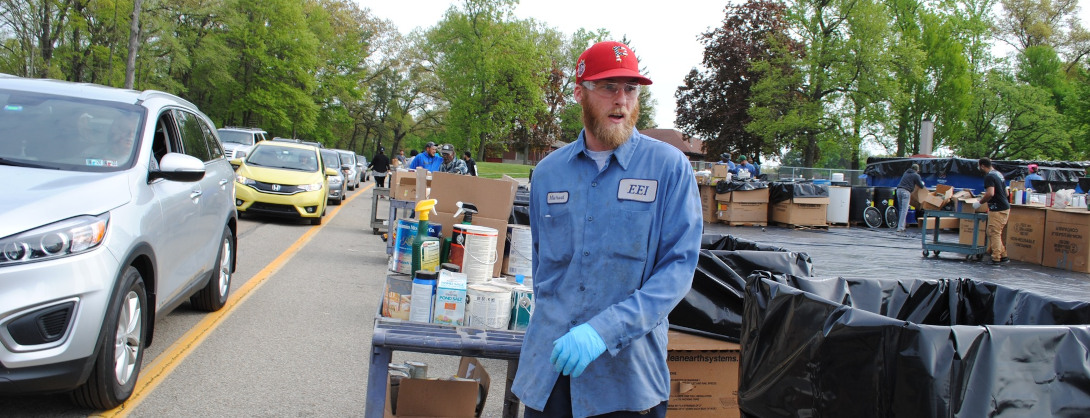
Yes. The event is a drive-through event, so participants must stay in their vehicles. We work alongside hazardous waste contractors on site who unload materials from all participant vehicles.

No — Don’t waste paper printing out the ticket. We can scan the ticket QR code on a smart phone or we can look you up by name.

The line shuts at 1 pm, and everyone who is in line by 1 pm will have their materials unloaded.

The complete fire extinguisher has to be dismantled. This starts with the de-pressurization of the extinguisher, then the valve & valve stem must be removed. Any un-discharged flame retardant material must be poured out and collected and is actually kept in containers around the facility and can then be used on spills and fire prevention within the facility.

The best method of managing household chemical waste is to prevent its generation in the first place. This involves selecting the least toxic item “to do the job” and buying the minimum amounts necessary, as well as pressuring producers to make less toxic alternatives. Buying large quantities of a chemical product can result in left overs.

If the material is still usable (e.g., undamaged, still within designated shelf life), check with friends and neighbors to see if they can use it. You can also check with community groups such as Habitat for Humanity to see if they can use the product.

LATEX paint is able to be disposed of in household trash once dry – to learn about how to dispose of latex paint at home CLICK HERE.

To learn more, you can visit our Household Hazardous Waste Safe & Health Home Guide.

Interested in volunteering at a collection event?

Take Action