
PRC Home PRC Home
  • What We Do
    • Education
      • School Programs
      • Food Waste Reduction
      • Workshops
    • Collection Events
    • Glass Recycling
      • Glass Recycling Collaborative
      • Permanent Glass Bin
      • Traveling Glass Bin
    • Policy
    • Lens on Litter Contest
    • Technical Assistance
    • Watershed Protection
      • Growing Greener Communities Initiative
      • Delaware River Watershed Initiative
      • Stream Smart Stormwater House Calls
      • Rain Garden Initiative
    • Zero Waste Services
      • Zero Waste Events
      • Zero Waste Rentals
      • Audit & Analysis
  • Workshops & Collection Events
    • Calendar
    • Collection Events
      • Household Chemicals
      • Hard to Recycle Items
      • E-Waste Recycling
      • Reuse Fest
    • Glass Recycling
      • Permanent Glass Bin
      • Glass Recycling Collaborative
      • Traveling Glass Bin
    • Workshops
      • Business & Group Events
      • Watersheds & Rain Barrels
      • Food Waste Reduction
      • Backyard Composting
      • Recycling & Waste Reduction
  • Information Center
    • Blog
    • In the News
    • Strategic Plan Summary
    • Annual Reports
    • Resources
      • Act 101 & Recycling in PA
      • Food Waste Reduction
      • Household Hazardous Waste Guide
  • About
    • Who We Serve
    • Impact
    • People
      • Board of Directors
      • Staff Directory
    • Join our Team
    • Contact Us
  • Take Action
    • Donate
    • IRA Gifts & Planned Giving
    • Volunteer
    • Thank you to all our generous Zero Waste Non-Event Supporters!
    • Partner
  • Donate
PRC Home
  • What We Do
    • Education
      • School Programs
      • Food Waste Reduction
      • Workshops
    • Collection Events
    • Glass Recycling
      • Glass Recycling Collaborative
      • Permanent Glass Bin
      • Traveling Glass Bin
    • Policy
    • Lens on Litter Contest
    • Technical Assistance
    • Watershed Protection
      • Growing Greener Communities Initiative
      • Delaware River Watershed Initiative
      • Stream Smart Stormwater House Calls
      • Rain Garden Initiative
    • Zero Waste Services
      • Zero Waste Events
      • Zero Waste Rentals
      • Audit & Analysis
  • Workshops & Collection Events
    • Calendar
    • Collection Events
      • Household Chemicals
      • Hard to Recycle Items
      • E-Waste Recycling
      • Reuse Fest
    • Glass Recycling
      • Permanent Glass Bin
      • Glass Recycling Collaborative
      • Traveling Glass Bin
    • Workshops
      • Business & Group Events
      • Watersheds & Rain Barrels
      • Food Waste Reduction
      • Backyard Composting
      • Recycling & Waste Reduction
  • Information Center
    • Blog
    • In the News
    • Strategic Plan Summary
    • Annual Reports
    • Resources
      • Act 101 & Recycling in PA
      • Food Waste Reduction
      • Household Hazardous Waste Guide
  • About
    • Who We Serve
    • Impact
    • People
      • Board of Directors
      • Staff Directory
    • Join our Team
    • Contact Us
  • Take Action
    • Donate
    • IRA Gifts & Planned Giving
    • Volunteer
    • Thank you to all our generous Zero Waste Non-Event Supporters!
    • Partner
  • Donate

News & Resources

CFL Recycling

Posted on July 24, 2018 by Pennsylvania Resources Council

Compact florescent lights (CFL) have gained a lot of popularity for their energy efficiency. CFL bulbs are more efficient and have a longer lifespan that traditional incandescent lamps. However, do to the small amount of mercury inside of CFL bulbs they should not be placed in curbside trash. Instead, bring them to a PRC Hard to Recycle Collection Event! By partnering with Duquesne Light Watt Choices, we are able to offer recycling for CFL bulbs.

PRC is proud to offer a number of Hard to Recycle Collection Events throughout Allegheny County to help local residents responsibly recycle materials that are not accepted into local recycling programs. Over the last 16 years, PRC has worked hard to expand this list to take as many different materials as possible to ensure that is is responsibly recycled instead of placed into the trash or illegally dumped.

Each of these products have different processes to be recycled into new products, which is largely why they cannot be recycled with your regular curbside recycling. In this Hard-to-Recycle Materials Series, we will be taking a closer look at what happens to the products that you bring to recycling collection events! This installment will focus on what happens to the CFL bulbs you bring to our events for recycling.


Why Recycle?

CFL Bulbs contain a small amount of mercury. They are perfectly safe to use, as the mercury is trapped inside, but when sent to a landfill they can break, allowing the mercury into the environment. Only 1 teaspoon of mercury is enough to make over 8,000,000 gallons of water unsafe to drink!

Not only is mercury harmful if allowed to leak into the water and soil, it is also a precious metal. Mercury can be reused to make new bulbs or batteries an infinite number of times. If we continue to through away mercury, these goods will become more expansive to produce.


What is Accepted at PRC Hard to Recycle Events?

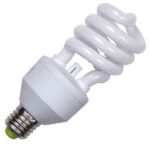
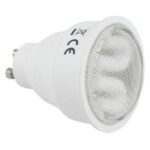
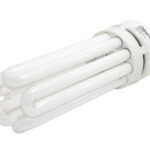
CFL Bulbs and ballasts are accepted at accepted at PRC Hard to Recycle Collection events free of charge. Not sure if your bulb is a CFL? If it is “swirled” like the bulbs below, it’s likely a CFL. We also accept florescent tubes for $2 per 4 ft tube and 3.50 per 8 ft tube.

We not not accept incandescent or or halogen lights. We do not accept broken bulbs.

What Happens to it?

When processed responsible, nearly every part of a CFL bulb can by recycled. Duquesne Light Watt Choices sponsores our CFL collection. The bulbs that are collected at PRC collections are sent to Veolia for recycling. Flourcent Tubes are handles by eLoop,LLC. Here’s how they are recycled:

  1. Bulbs are crushed and disassembled in a controlled environment to ensure no mercury vapors escape.
  2. The different materials of the bulb are separated into three main groups: glass, metal, and phosphorous and mercury powder.
  3. The glass and metals cab be recycled directly.
  4. The phosphorous and mercury powder is filtered to extract the mercury. This can be used to make more bulbs or batteries.

https://www.youtube.com/watch?v=E4L9L4hZD6c

ReGeneration produced this video that explains the recycling process.


Where Can I Take CFL Bulbs for Recycling?

eLoop,LLC
625 Plum Industrial Ct., Pittsburgh, PA
ellopllc.com
724.519.7646

Batteries Plus
www.batteriesplus.com
717.652.1584

Construction Junction
214 North Lexington Street, Pittsburgh, PA
cjreuse.org
412.243.5025


Want to learn more about Hard to Recycle items?

Check out other post in this series!

  1. Expanded Polystyrene Foam
  2. Tires
  3. Televisions
  4. Batteries 
Share This Post
  • Share on Follow us on Facebook
  • Share on Follow us on Twitter
  • Share on Follow us on LinkedIn

Categories

  • All Posts
  • Food Waste Reduction
  • HTR
  • HHW
  • Paper Co-op
  • Donation
  • Membership
  • Organizational News
  • Glass Recycling
  • Recycling
  • Featured Posts
  • Paper Recycling
  • Plastic Bag Recycling
  • Plastic Recycling
  • Paint
  • Events
  • Expanded Polystyrene Recycling
  • Films
  • Education
  • Zero Waste
  • Collection Events
  • Electronics Recycling
  • Watershed Protection
  • Sustainable Home
  • Litter
  • Uncategorized

Archives

PRC Home
PRC Home

Pennsylvania Resources Council

Western PA Office

828 W. North Avenue
Pittsburgh, PA 15233 USA

P 412-488-7490

Eastern PA Office

1521 N. Providence Road (Rose Tree Park)
Media, PA 19063 USA

P 610-353-1555

Recycling Hotline: 1-800-346-4242

Connect On Social
  • Follow us on Facebook
  • Follow us on Threads
  • Follow us on LinkedIn
  • Follow us on Instagram
  • Follow us on YouTube
Get the latest in your inbox!
Signup for our Newsletter

Copyright © 2026 Pennsylvania Resources Council. All rights reserved.